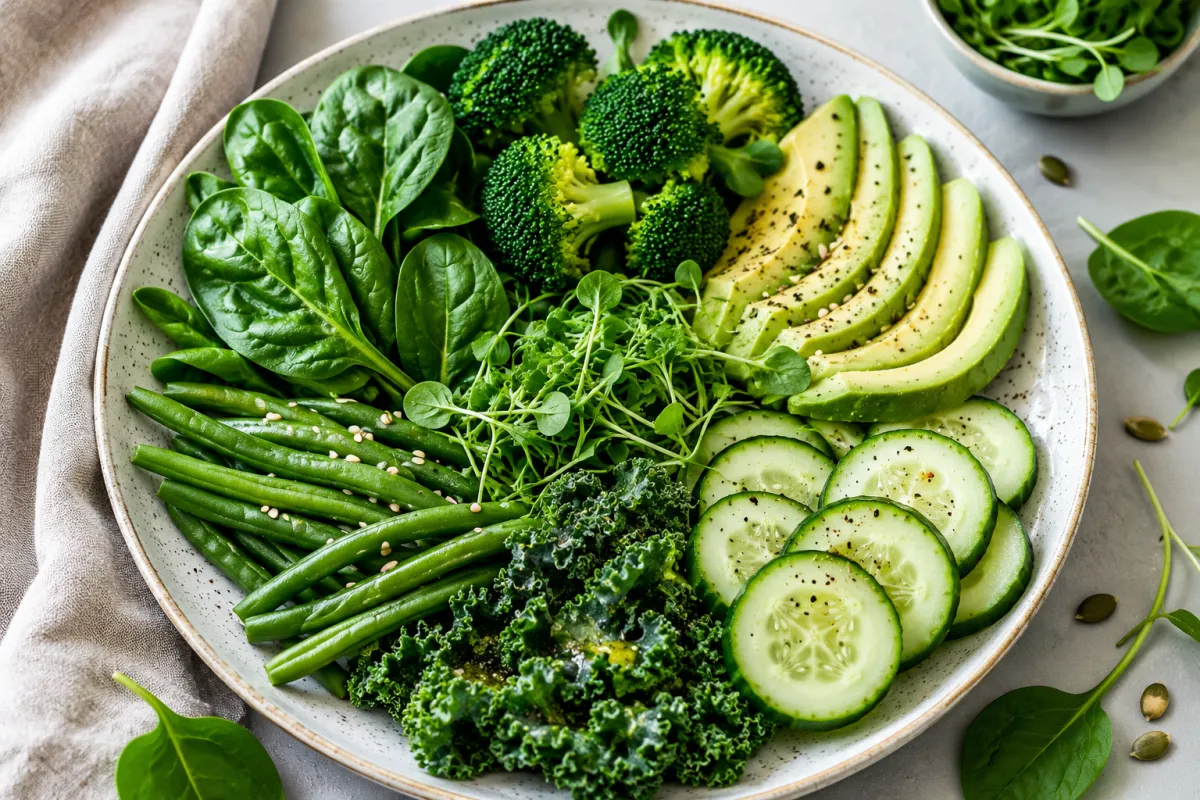
Why Eating More Greens Might Be One of the Simplest Health Upgrades You Can Make
When people think about improving their health, they often imagine complicated meal plans, expensive supplements, or restrictive diets.
Yet one of the most powerful changes you can make may be far simpler:
Eat more green vegetables.
Not because they are trendy.
Not because someone on social media said so.
But because the science supporting green vegetables is remarkably consistent.
Nature's Nutrient Powerhouses
Leafy greens are among the most nutrient dense foods available.
Foods such as spinach, kale, rocket, Swiss chard, lettuce, broccoli, and other green vegetables contain a wide range of vitamins, minerals, fibre, antioxidants, and plant compounds that support overall health.
Despite being low in calories, they provide nutrients that help support:
Heart health
Brain function
Digestive health
Immune function
Healthy ageing
Blood sugar regulation
Research has linked higher consumption of leafy greens with a lower risk of cardiovascular disease, Type 2 diabetes, certain cancers, high blood pressure, and cognitive decline.
That is a remarkable return for simply adding more greens to your plate.
Most People Know They Should Eat More Vegetables
The challenge is rarely a lack of information.
Most people already know vegetables are healthy.
The real challenge is consistency.
Busy schedules, travel, family commitments, convenience foods, and old habits often make it difficult to prioritise vegetables every day.
This is why we encourage simple habits rather than dramatic changes.
Adding a portion of greens to just one meal each day is a small action that can create meaningful long term benefits.
What If Fresh Vegetables Are Not Always Available?
One of the biggest misconceptions in nutrition is that fresh is always best.
Fresh vegetables are excellent, but they are not the only healthy option.
In fact, canned vegetables can play an important role in helping people eat more plant foods consistently.
Many vegetables are canned shortly after harvesting, helping preserve much of their nutritional value. Minerals, fibre, protein, and many other nutrients remain largely intact during the canning process.
For some foods, processing may even improve the availability of certain beneficial compounds.
A good example is tomatoes. The canning process increases the availability of lycopene, a powerful antioxidant associated with heart health.
Choosing Healthier Canned Foods
Not all canned foods are created equal.
Some contain large amounts of added salt, sugar, preservatives, or sauces.
When buying canned foods, consider:
- Choosing vegetables canned in water
- Looking for "no added salt" or low sodium options
- Choosing fruit packed in water or natural juice rather than syrup
- Selecting products with simple ingredient lists
- Looking for BPA free packaging where possible
Rinsing canned vegetables and beans can also help reduce sodium content.
Convenience Can Support Better Health
One reason many healthy habits fail is because they are difficult to maintain.
Convenience matters.
Having frozen vegetables, canned beans, canned tomatoes, or other healthy pantry staples available makes it easier to make good choices when life becomes busy.
Healthy eating is not about perfection.
It is about creating an environment where healthier choices become easier and more consistent.
Start Small
You do not need to completely change your diet this week.
Start with one simple question:
Where can I add a green vegetable today?
Maybe it is:
Spinach in your breakfast
Cucumber with lunch
A side salad at dinner
Broccoli with your evening meal
Green beans alongside your protein source
Small actions repeated daily often create bigger results than extreme changes that last only a few weeks.
The Challenge
This month, we are encouraging people to add a portion of green vegetables to at least one meal every day.
Not because it is a perfect solution.
But because simple, sustainable habits are often where lasting health begins.
One meal.
One serving of greens.
One small step towards a healthier future.
The question is not whether greens are good for you.
The question is:
How can you get a little more of them onto your plate today?
