Are Canned Foods Healthy? A Practical Look at Convenience and Nutrition
Walk into almost any kitchen and you will find at least a few tins tucked away in a cupboard. Beans. Tomatoes. Lentils. Maybe sweetcorn or coconut milk.
Canned foods are convenient, affordable, and have a long shelf life. But are they healthy? Or are they a compromise that slowly chips away at your wellbeing?
Let us take a clear and balanced look at the facts.
What Happens During Canning?
Canning is a preservation method that has been used for over 200 years. Food is placed into an airtight container and then heated to a temperature that destroys harmful microorganisms. This heat treatment prevents spoilage and makes the food shelf stable for months or even years.
Because the container is sealed, there is no need for added preservatives in most canned foods. That is an important point. The preservation happens through heat and sealing, not chemicals.
However, heat can affect nutrients. So what does that mean for the quality of the food?
Do Canned Foods Lose Nutrients?
Yes, some nutrients are reduced during the canning process, especially certain water soluble vitamins such as vitamin C and some B vitamins. These are sensitive to heat.
However, the picture is more nuanced.
Minerals such as iron, calcium, and magnesium remain largely stable during canning. Protein, carbohydrates, and fats are also generally preserved. In some cases, nutrients can even become more available to the body after heating.
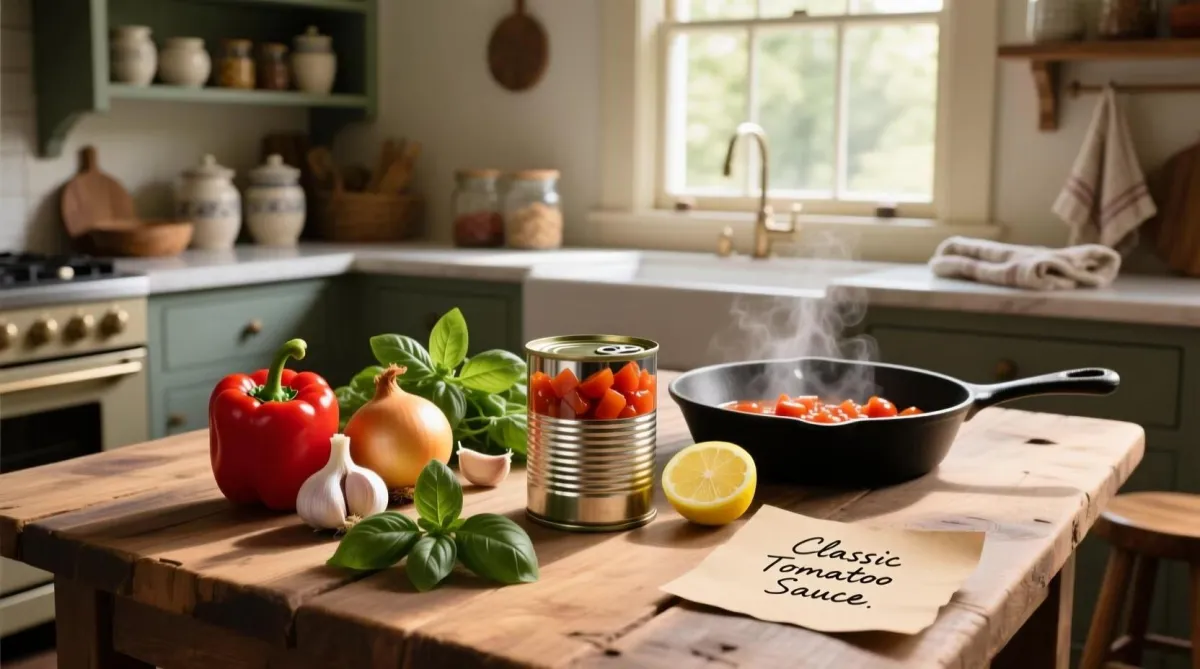
For example, lycopene, the antioxidant in tomatoes that is linked to heart and prostate health, becomes more bioavailable after cooking. This means that canned tomatoes can actually provide highly usable lycopene.
The real question is not whether canned food loses some nutrients. The real question is whether it is still a nutritious option overall.
In many cases, the answer is yes.
The Sodium Concern
One of the most common concerns with canned foods is sodium.
Salt is often added for flavour and preservation. Some canned soups and vegetables can contain a significant amount of sodium per serving. High sodium intake is associated with increased blood pressure and cardiovascular risk.
But here is the practical truth. You have options.
Many brands now offer low sodium or no added salt versions. Rinsing canned beans and vegetables under running water can reduce sodium content significantly. Research suggests that rinsing and draining canned beans can lower sodium by around 30 to 40 percent.
That is a simple action that makes a meaningful difference.
What About BPA and Can Linings?
Another concern is bisphenol A, commonly known as BPA. BPA has been used in the epoxy resin lining of some cans to prevent corrosion and contamination. It can migrate into food in small amounts.
BPA is considered an endocrine disruptor, meaning it can interfere with hormone function. While regulatory authorities set limits that are considered safe, some research has raised concerns about long term exposure.
The good news is that many manufacturers now offer BPA free cans. If this is important to you, look for labels that state the packaging is BPA free. Glass jars and aseptic cartons are also alternatives for certain foods.
Awareness matters. Small shifts add up over time.
Are Canned Fruits and Vegetables as Good as Fresh?
Fresh produce is often seen as the gold standard. However, fresh does not always mean more nutritious.
Fruit and vegetables can lose nutrients during transport and storage, especially if they are harvested before fully ripening. Canned produce is typically processed soon after harvest, which can help retain certain nutrients.
The key difference often lies in added ingredients.
Canned fruit packed in heavy syrup can contain large amounts of added sugar. Choosing fruit packed in water or natural juice is a better option.
Canned vegetables without added salt are preferable. Read the ingredient list. Ideally, it should contain the food itself and little else.
The Benefits That Often Get Ignored
Canned foods can support healthy eating in very practical ways:
They are affordable, which makes healthy eating more accessible.
They reduce food waste due to their long shelf life.
They provide year round access to foods such as beans and tomatoes.
They save time, which removes a barrier to cooking at home.
If the choice is between ordering fast food or opening a tin of lentils to add to a home cooked meal, the lentils are clearly the better option.
Perfection is not the goal. Consistency is.
So, Should You Eat Canned Foods?
Canned foods are not inherently unhealthy. The health impact depends on what you choose and how you use it.
Prioritise:
Low sodium or no added salt options
Fruit packed in water or juice rather than syrup
Simple ingredient lists
BPA free packaging when possible
Use canned beans to add fibre and plant protein to meals. Keep canned tomatoes on hand for quick sauces.
Healthy living is not about rigid rules. It is about informed choices made consistently over time.
If you are striving to build a sustainable, healthy lifestyle, canned foods can absolutely have a place in your kitchen. They are tools. And tools are powerful when used wisely.
Instead of asking whether canned foods are good or bad, ask a better question.
How can I use what is available to me to make healthier choices today?
If you would like support in building a practical, realistic approach to nutrition that fits your lifestyle, reach out. Small improvements, repeated daily, create lasting change.
