Water Purification: What You Need to Know for Health and Hydration
Water is essential for life. It makes up a large portion of the human body and supports every major biological process. Yet the quality of the water we drink is often overlooked. Modern purification methods can dramatically improve water safety, but they can also alter water in ways that matter for long term health, hydration and performance.
Understanding purification, mineral balance, pH, structure and mineral content can help you make better choices for everyday drinking, cooking and wellbeing.
Reverse Osmosis: Powerful Purification with Important Limitations
Reverse osmosis is one of the most effective water purification methods available. It forces water through a semi permeable membrane that removes contaminants such as bacteria, viruses, heavy metals, chlorine residues, pesticides and industrial chemicals.
The strength of reverse osmosis is also its limitation. This process removes almost everything dissolved in the water, including essential minerals such as calcium, magnesium, potassium and trace elements. The result is water that is extremely clean but also demineralised and often slightly acidic.
While this level of purification may be useful in specific applications, drinking reverse osmosis water without restoring minerals may not be ideal for long term daily use.
Why Mineralisation Matters After Purification
Minerals in water are not impurities. They are essential for health. Calcium and magnesium support bone health, muscle contraction and heart rhythm. Electrolytes assist with nerve signalling and fluid balance.
Water that lacks minerals often tastes flat and is less satisfying to drink. More importantly, long term consumption of demineralised water may contribute to electrolyte imbalance and reduced mineral intake, especially in people who are physically active or already under nutritional stress.
Restoring minerals after purification brings water closer to what is found in natural spring sources and supports better hydration and physiological balance.
pH Balance: Neutral to Mildly Alkaline Is Optimal
The pH of water indicates how acidic or alkaline it is. Neutral water has a pH of 7.0. Drinking water that is mildly alkaline, typically around 7.4 to 7.6, is often considered supportive of general wellbeing and hydration.
However, more alkaline is not always better. Water with a pH significantly above 7.6 may interfere with digestion by reducing stomach acidity, which plays an important role in nutrient absorption and immune defence. Excessively alkaline water can also disrupt the body’s natural acid base regulation.
The aim is balance rather than extremes. Water adjusted to a mildly alkaline level, similar to many natural spring waters, is generally more suitable for regular consumption.
Structuring Water: Learning from Flowing Spring Water
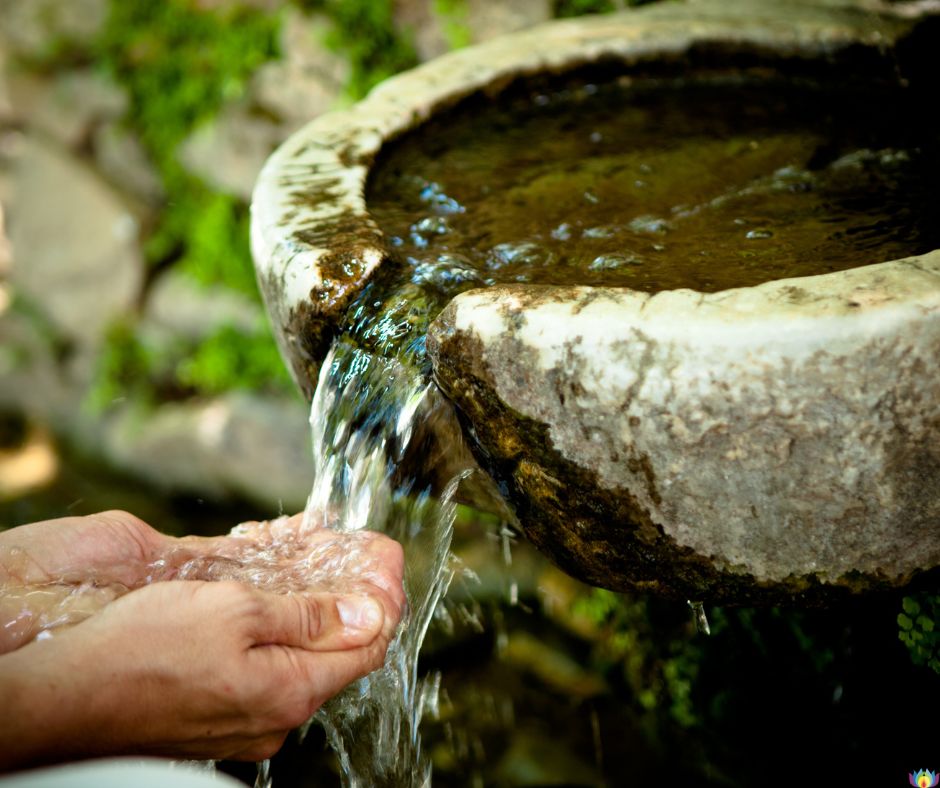
In nature, water is rarely stagnant. Spring water flows over rocks, through soil and along natural pathways. This constant movement influences how water molecules interact and organise.
Structured or restructured water aims to recreate this natural dynamic. The goal is to reorganise water molecules so they resemble the structure of moving spring water rather than static, heavily treated water. Smaller, more dynamic molecular groupings are believed to interact more efficiently with cells, potentially supporting improved cellular hydration.
While scientific research in this area continues to evolve, the concept is rooted in observing how water behaves in natural environments. Flow, movement and interaction appear to matter, not just chemical purity.
Understanding TDS: Finding the Right Mineral Balance
Total Dissolved Solids, or TDS, refers to the combined amount of minerals, salts and trace elements dissolved in water. TDS is measured in parts per million and provides a useful indication of water’s mineral content.
Different uses of water benefit from different TDS ranges.
For everyday household use, including cooking, coffee and tea, a TDS range of approximately 150 to 200 parts per million is often considered ideal. At this level, water contains enough minerals to enhance flavour and extraction without overpowering taste or causing excessive scale build up in appliances.
For drinking water, a moderately higher mineral content is often more supportive of hydration. Many water experts suggest a TDS range of around 300 to 500 parts per million. Water in this range more closely resembles natural spring water and contributes meaningful amounts of calcium, magnesium and trace minerals that support electrolyte balance.
Very low TDS water, typically below 50 parts per million, is common in many bottled and purified waters. While it may be clean, it contains little mineral value and may not support optimal hydration when consumed long term.
As with most aspects of health, balance matters. Water that contains moderate mineral levels offers both purity and nourishment.
The Health Impact of Properly Mineralised Water
Water that contains a balanced range of minerals supports hydration more effectively than demineralised water. Minerals assist with oxygen transport, muscle recovery, nerve signalling and enzyme function. They also help water enter cells efficiently rather than passing quickly through the body.
In contrast, long term consumption of water stripped of minerals may place additional strain on the body’s mineral balance, particularly when combined with physical stress, sweating or a highly processed diet.
Hydration is not only about how much water you drink, but about the quality of the water you choose.
Bottled Water Versus Natural Spring Water
Many people assume bottled water is automatically healthier, but mineral content varies widely. A large proportion of bottled waters have very low TDS levels, meaning they contain few naturally occurring minerals. In many cases, bottled water is simply purified water with minimal or no remineralisation.
Natural spring water typically has a higher mineral content because it absorbs minerals as it flows through underground rock formations. These minerals contribute to both flavour and nutritional value.
Reading labels and understanding TDS can help distinguish between water that merely meets purity standards and water that actively supports hydration.
Choosing Water That Truly Supports Health
Clean water is essential, but purity alone is not enough. The most supportive drinking water is clean, properly mineralised, mildly alkaline and structured in a way that reflects how water exists in nature.
If you use deep purification methods such as reverse osmosis, it is worth considering whether minerals are restored, whether the pH is balanced rather than extreme, and whether the water supports hydration rather than simply passing through the body.
When water supports energy, digestion and recovery, it becomes more than hydration. It becomes a foundation for long term health.
Take the Next Step
Whether at home, in restaurants, or while on the move, the quality of the water people drink matters more than ever. Small improvements in mineral balance and structure can make a meaningful difference to taste, hydration and overall wellbeing.
Contact us to discuss practical options to enhance water quality while in restaurants, workplaces and on the go. Together, we can help turn everyday water into a healthier foundation for modern living.
